A salt water pool can feel like it takes care of itself. No chlorine tablets to haul home, no daily guessing - just flip on the pump and let the system do the work. That is the promise, and for a while it usually holds up. But the part doing all that work, the salt cell, is a wear item living in some of the hardest water and harshest heat in the country. Understanding what that cell actually needs is the difference between a pool that stays clear for years and one that quietly stops keeping up.
Here is how salt water pool maintenance in Arizona really works, and what to check so your system keeps producing the way it should.
How a salt cell actually makes chlorine
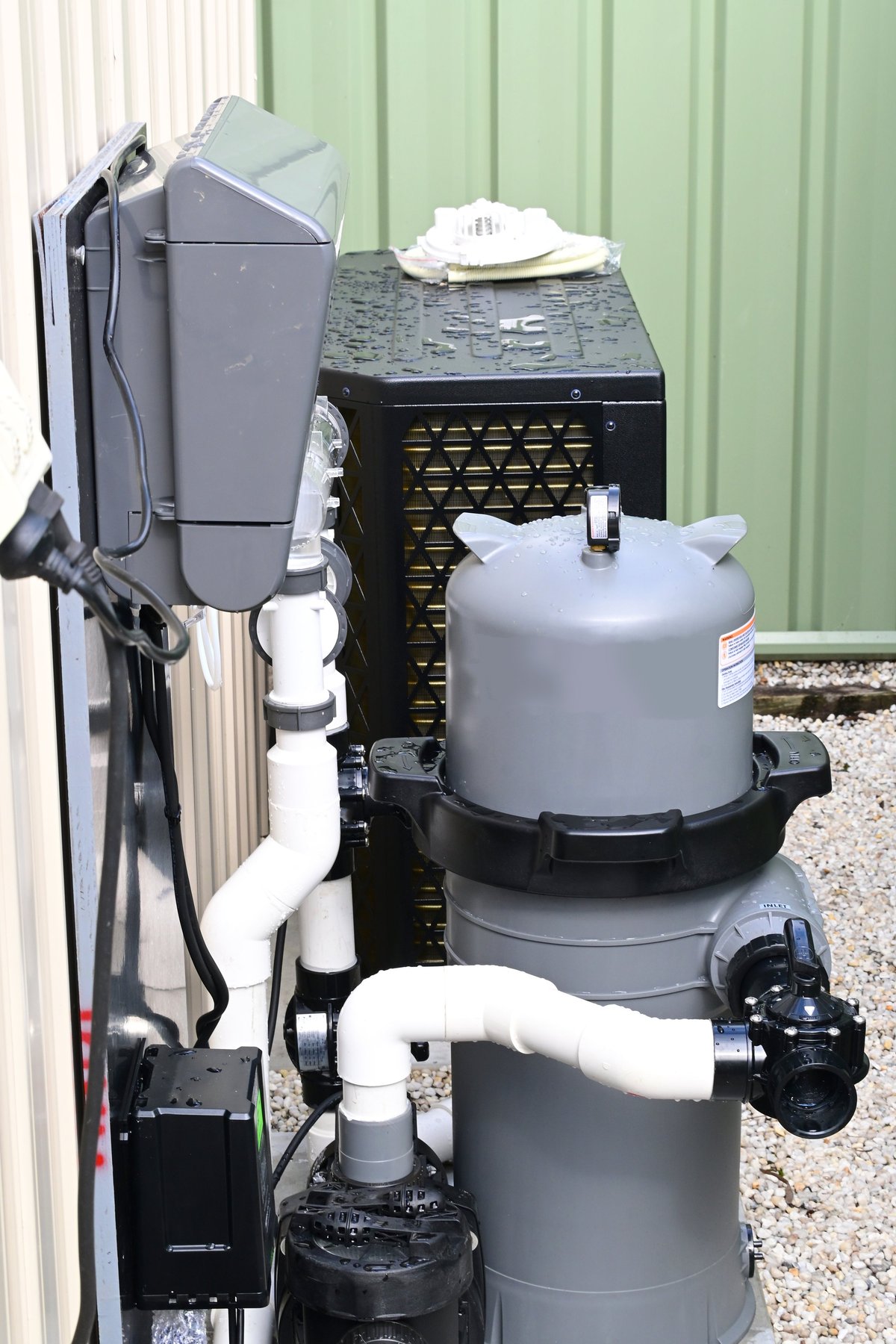
Your pool does not store chlorine the way a tablet pool does. It stores salt, and the salt cell turns that salt into chlorine on demand. Water passes through a chamber lined with coated metal plates, an electric current runs across them, and the process splits the salt water into chlorine that sanitizes the pool. When the chlorine has done its job, it converts back to salt and the cycle starts again. That is why you rarely "add salt" so much as top it off over time.
The key point is that the cell is a machine, not a chemical. It depends on clean plates, correct water chemistry, and steady power to keep converting. Anything that blocks or corrodes those plates slows the whole system down.
Why Arizona heat and hard water wear a cell faster
Two things in the East Valley are especially tough on salt cells: heat and mineral-heavy water.
Extreme summer temperatures push your pool to use more chlorine, so the cell runs longer and harder through the hottest months. More runtime means more wear. At the same time, our water carries high levels of calcium and other dissolved minerals. As water evaporates in the desert sun, those minerals concentrate and can scale onto the cell’s plates. Scale acts like insulation - it blocks the water from contacting the plates, so the cell has to work harder and produces less chlorine for the same effort. Left alone, scale shortens the life of the cell and can push your system into constant high-output mode.
This is why the same salt cell that lasts many seasons in a mild climate may not last nearly as long here. It is not a defect; it is the environment.
The routine checks that keep a salt system producing
Good salt water pool care is mostly about staying ahead of scale, salt level, and output. A practical routine looks like this:
- Check the salt level regularly. Salt drops over time through splash-out, backwashing, and draining. When it falls too low, the cell cannot make enough chlorine no matter how long it runs. When it climbs too high, it can stress equipment. Test it and adjust in small steps - salt is easy to add and hard to remove.
- Watch your stabilizer and calcium. Cyanuric acid and calcium hardness both creep up in desert pools. Too much stabilizer can lock up your chlorine; too much calcium drives the scaling that coats the cell. Testing tells you which way the water is drifting.
- Inspect the cell for visible scale. Pull it during service and look at the plates. A light, even coating is normal in hard water. Heavy, crusty buildup means it is time to clean and to look at the water chemistry that caused it.
- Confirm the cell is actually producing. Most systems show salt level and output. If output is maxed out and free chlorine still reads low, something is fighting the system - often scale, low salt, or high stabilizer.
- Keep circulation and filtration healthy. The cell only treats the water that passes through it. A dirty filter or weak flow means less water gets sanitized, so the cell runs longer to keep up.
None of this is guesswork. It is a short list of tests and observations that tell you exactly what the pool needs.
Cleaning a salt cell without damaging it
When scale builds up, the cell needs to be cleaned - but how you clean it matters as much as whether you do. The plates have a delicate coating that actually does the chlorine-making work, and harsh or repeated acid washing can strip that coating and kill the cell permanently.
A gentler path is to remove loose debris, then soak the cell only as long as needed to dissolve the scale, using a diluted acid solution or a dedicated cell cleaner. If the scale comes off quickly, stop there. If it takes aggressive soaking every few weeks, the real problem is your water chemistry, not the cell - and cleaning more often will only shorten its life. Check your manufacturer’s guidance for your specific unit, since coatings and recommendations vary.
Signs your salt cell is failing
A salt cell does not usually quit all at once. Watch for these signals:
- Chlorine that will not hold even when the cell runs at high output
- Frequent "low salt" or "check cell" warnings despite a correct salt reading
- Visible damage, flaking, or white crust that will not clean off the plates
- A cell that is several years old and suddenly needs constant cleaning
- Cloudy water that clears briefly after shocking, then returns
Any of these can also point to chemistry or equipment issues rather than a dead cell. Testing and an inspection tell you which.
When to call a professional instead of guessing
You can absolutely handle salt testing and basic care yourself. Where it pays to bring in help is when the symptoms overlap - low chlorine, warnings, scale, and an aging cell could all be true at once, and replacing a cell that only needed a chemistry fix is an expensive mistake. The opposite is just as costly: chasing your water with chemicals when the cell is genuinely at the end of its life.
A proper assessment tests the water, checks the cell and equipment, and explains what your pool actually needs - clean it, adjust the chemistry, or replace the cell - so you are not paying to replace parts that were never the problem. In Arizona, that also means accounting for how heat and hard water have shaped your system over the season, not just what the readings say today.
Salt water pools are still pool care. The cell just changes which details matter most. Test, investigate, and do what the pool actually needs - and your salt system will keep your water clear through another desert summer.
Wondering whether your salt cell or your water chemistry is the real issue? Contact Runestone Pool Care to schedule an assessment.